The Hidden Dangers of Construction Dust (And Why You Can't Just Vacuum It)
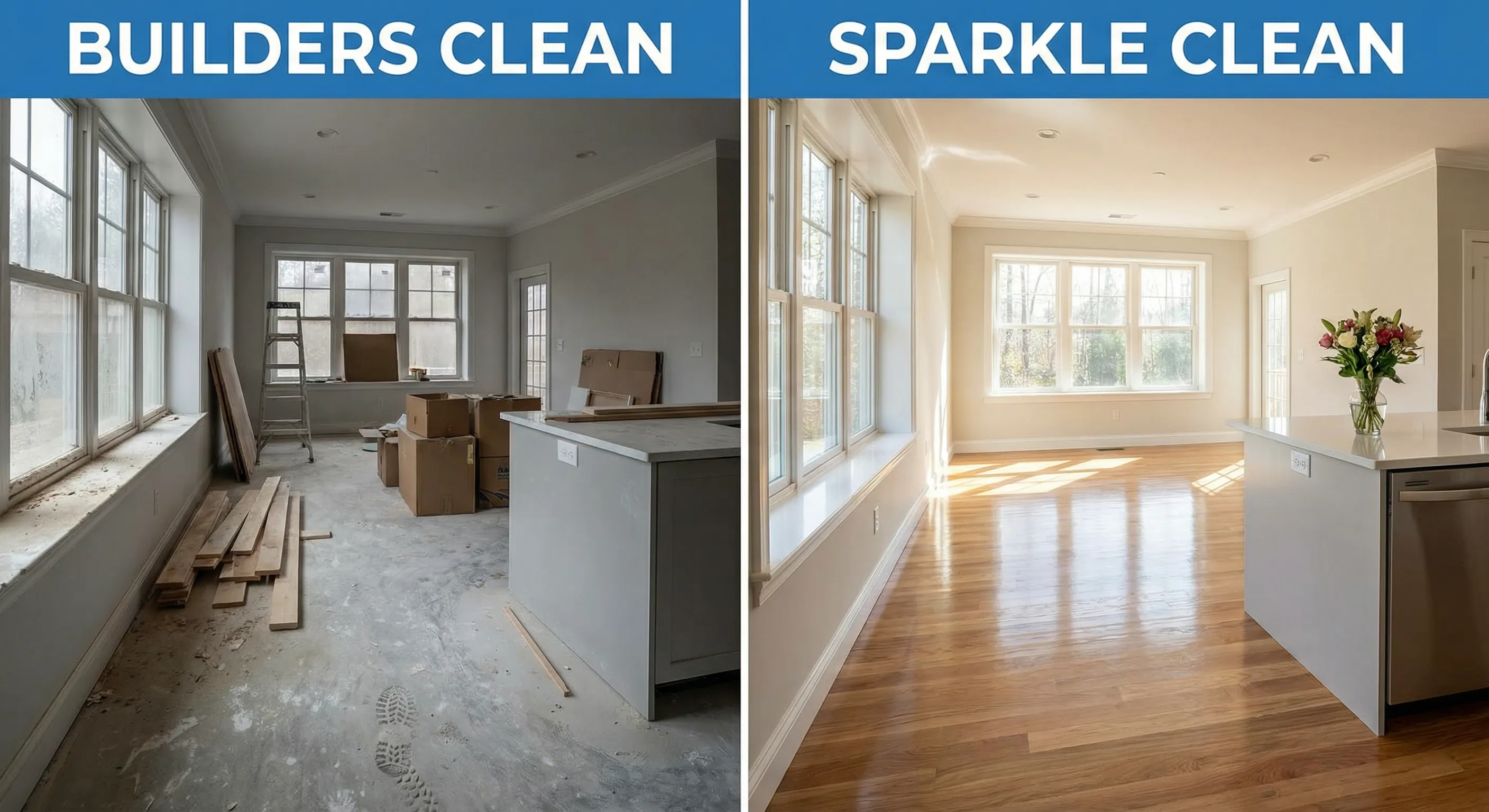
It’s the phase of the renovation everyone dreads. The builders have left, but the dust remains. It’s on the skirting boards, it’s in the carpets, and if you run your finger along the top of a door frame, it comes away grey.
Most homeowners see this as a nuisance—a mess to be swept up. But as specialists in after builders cleaning, we treat construction dust as a hazardous substance.
Why? Because unlike normal household dust (which is mostly dead skin and fabric fibres), construction dust often contains crystalline silica. Breathing this in isn't just unpleasant; it can cause long-term damage to your lungs.
If you're planning to tackle the cleanup yourself with a dustpan and brush, you need to read this first.
Table of Contents
- What Actually Is Construction Dust?
- The Invisible Killer: Silica Dust
- Why Your Vacuum Cleaner Is Making It Worse
- The 48-Hour Settling Rule
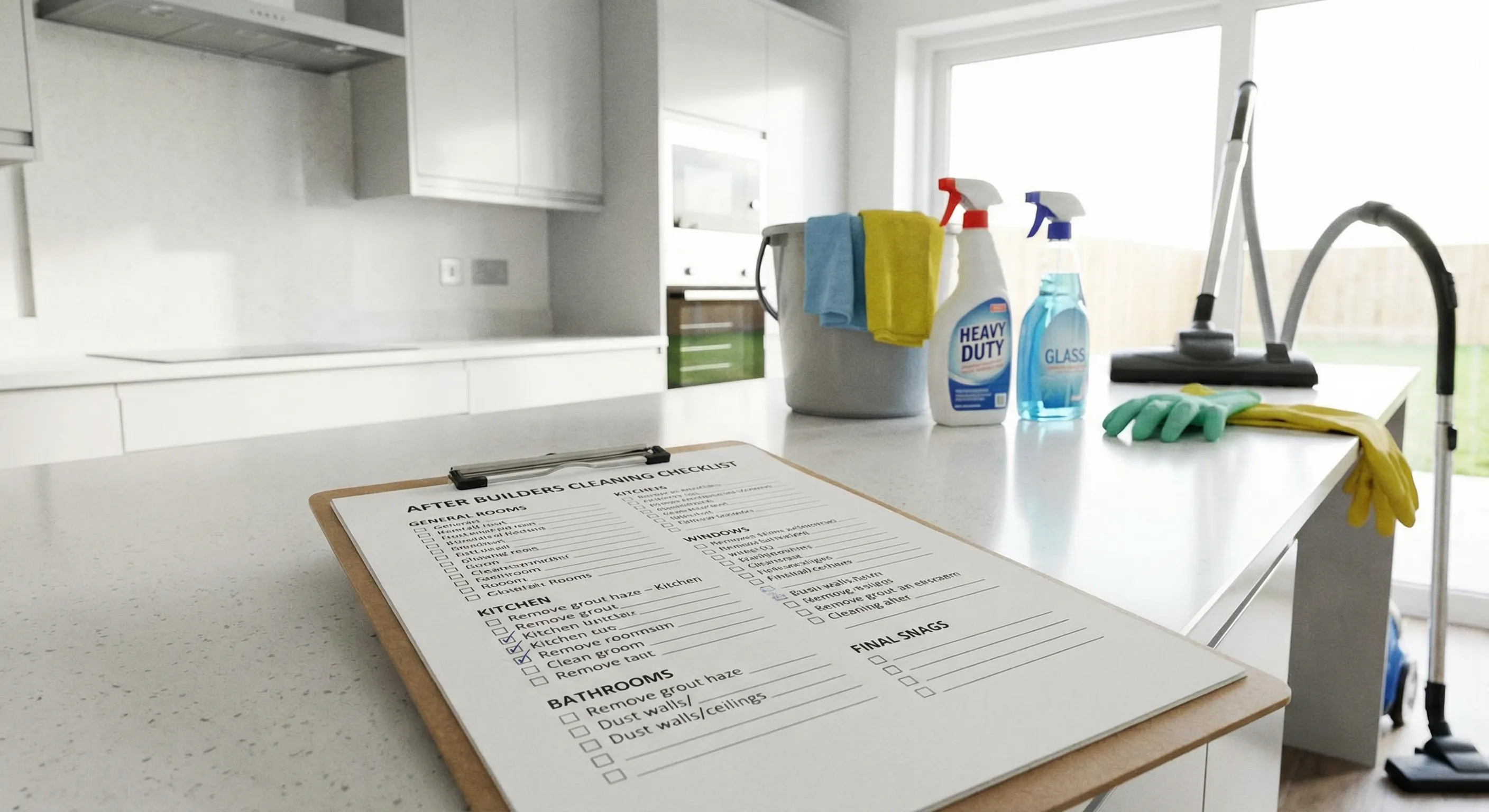
- How to Clean It Safely
- Protecting Your Family
What Actually Is Construction Dust?
"Construction dust" is a catch-all term for three main types of dust found on building sites:
- Silica Dust: Created when working on materials like concrete, mortar, and sandstone. This is the most dangerous type.
- Wood Dust: Created from softwood, hardwood, and MDF. Hardwood dust is a known carcinogen.
- Lower Toxicity Dust: Created from materials like gypsum (plasterboard), limestone, and marble. While "lower" toxicity, it can still cause respiratory irritation.
When you see a cloud of dust on a building site, it's usually a cocktail of all three.
The Invisible Killer: Silica Dust
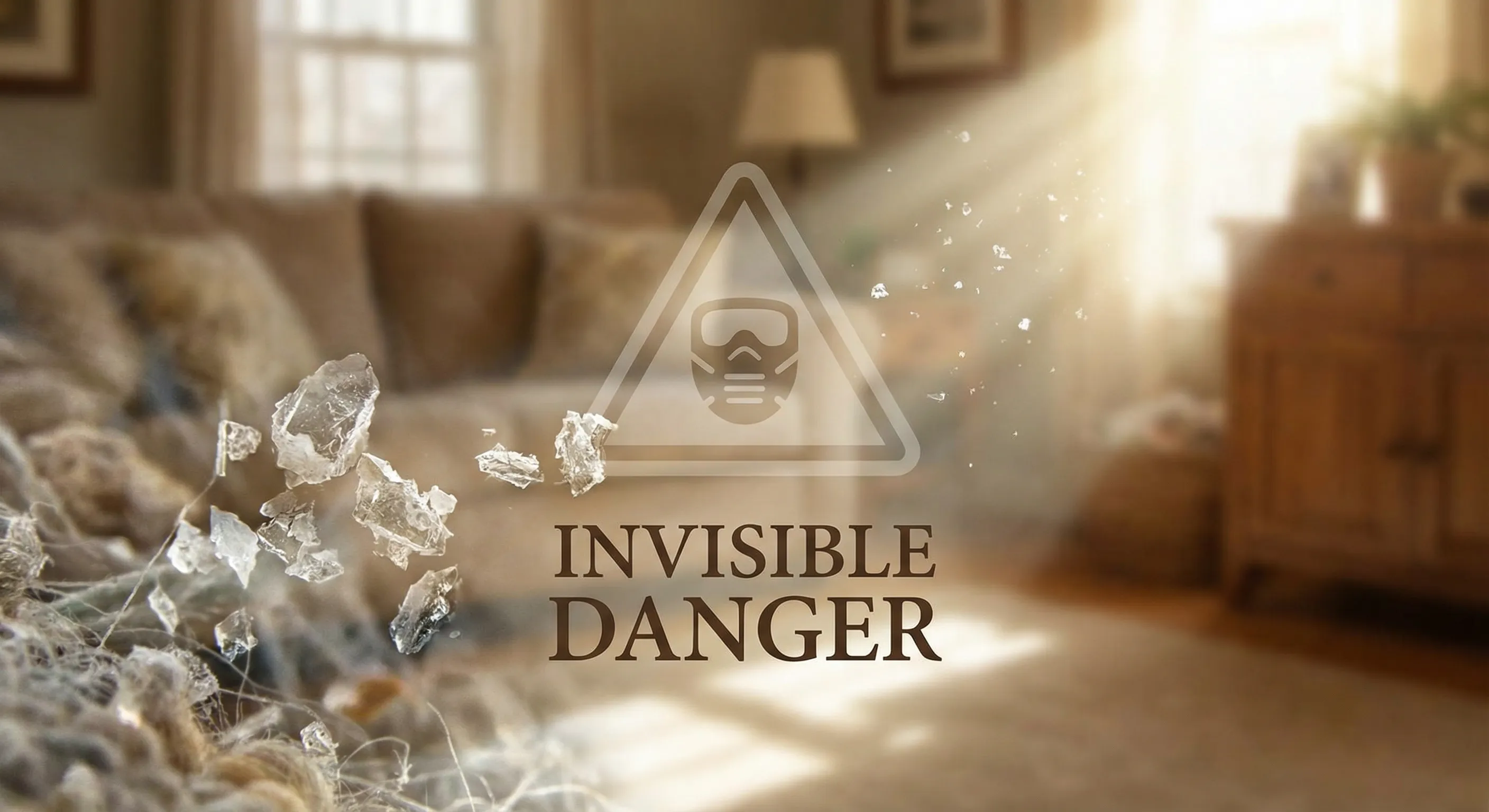
Respirable Crystalline Silica (RCS) is often called "the new asbestos." When materials like concrete or bricks are cut, drilled, or polished, they release tiny silica particles.
These particles are 100 times smaller than a grain of sand. You can't always see them, but you can breathe them deep into your lungs. Once there, they can cause inflammation and scar tissue, leading to serious conditions like:
- Silicosis: An irreversible lung disease that causes shortness of breath.
- COPD: Chronic Obstructive Pulmonary Disease.
- Lung Cancer: Heavy, prolonged exposure significantly increases the risk.
Why Your Vacuum Cleaner Is Making It Worse
This is the most common mistake we see. A homeowner grabs their trusty Dyson or Henry and starts vacuuming up the plaster dust.
Here is what happens:
- The filter clogs immediately. Domestic filters aren't designed for fine powder.
- The motor overheats. The vacuum loses suction or burns out (an expensive mistake).
- The "Blow-Back" Effect. This is the dangerous part. Because the dust particles are so fine, they pass through a standard vacuum filter and are blown out of the exhaust vent at high speed.
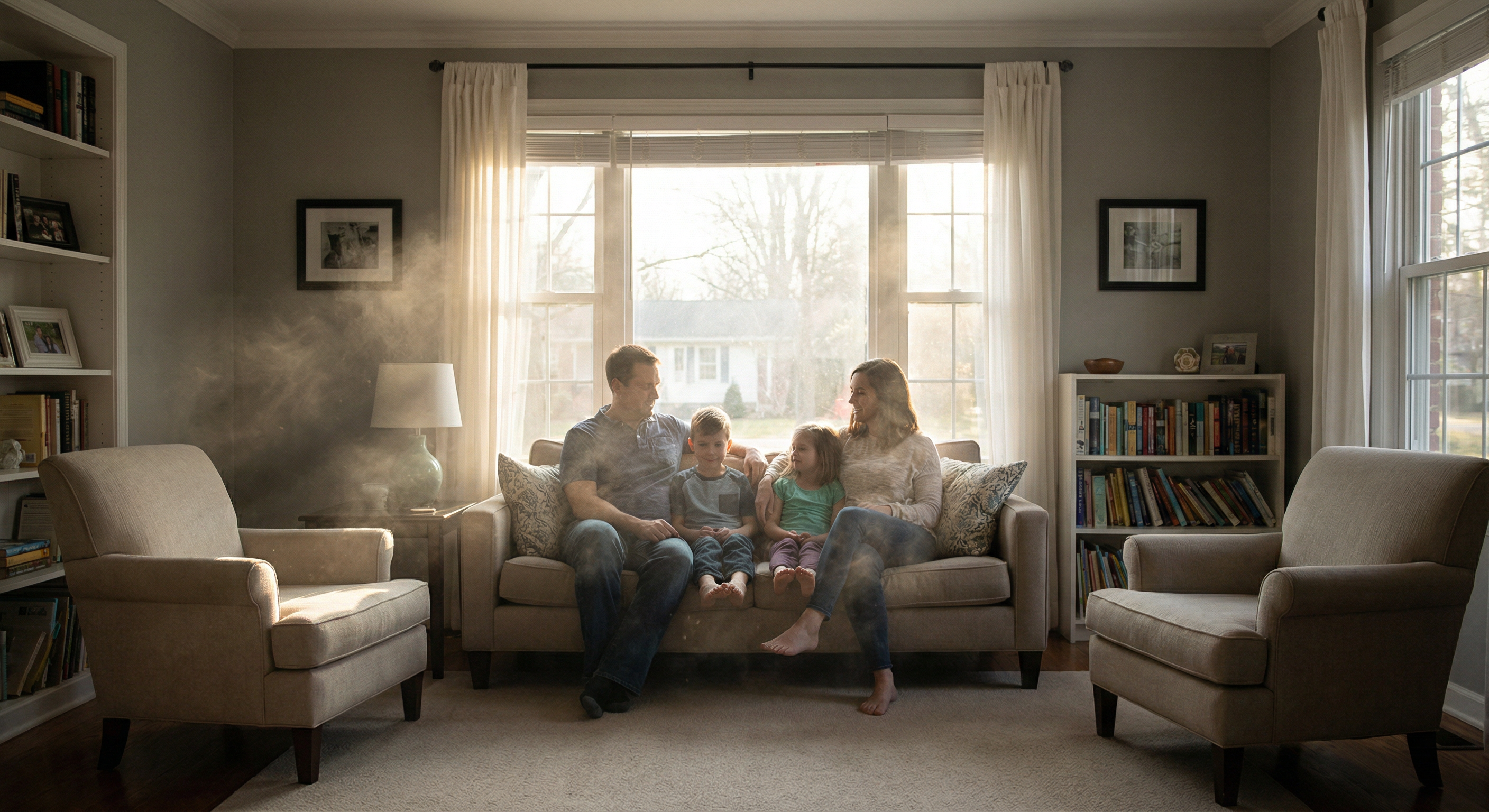
You think you're cleaning, but you're actually acting as a dust distribution machine, pumping invisible silica particles into the air for your family to breathe.
The 48-Hour Settling Rule
Have you ever cleaned a room, only to come back the next morning and find a fresh layer of dust on everything?
This isn't because you did a bad job. It's because fine construction dust hangs in the air for a long time—sometimes up to 48 hours—before settling.
If you clean too soon, or if you use dry sweeping methods that kick dust up, you're fighting a losing battle. This is why our professional process involves a "settling period" and multiple passes.
How to Clean It Safely
If you are dealing with construction dust, you must change your cleaning habits.
1. Never Dry Sweep Brooms are banned on many commercial building sites for a reason. They just launch dust into the air.
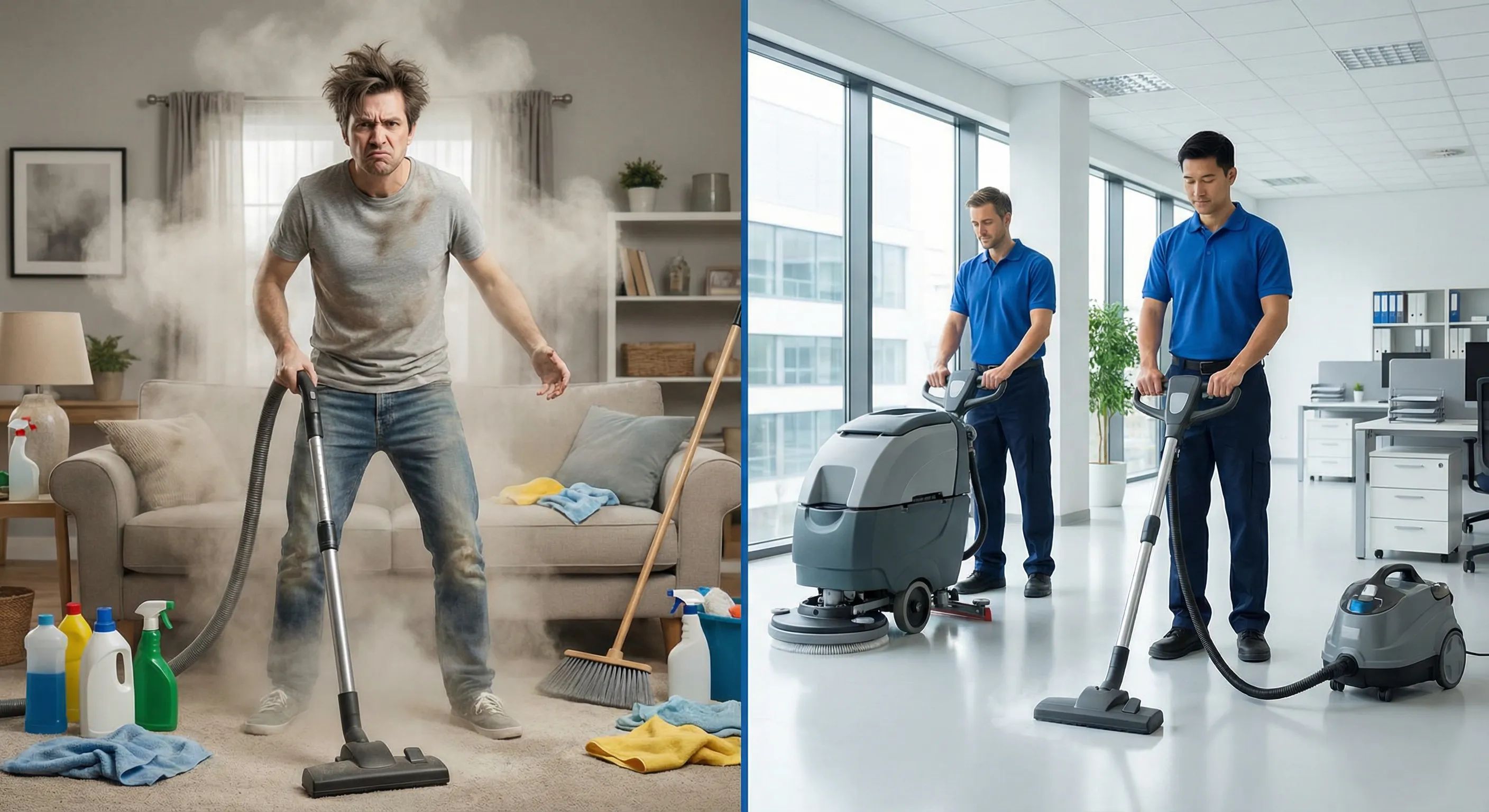
2. Use an Industrial HEPA Vacuum You need a vacuum with a High Efficiency Particulate Air (HEPA) filter. These are designed to trap 99.97% of particles, including the microscopic silica ones. (See our guide on DIY vs Professional Cleaning for more on equipment differences).
3. Damp Wipe Everything Water weighs down dust. Use damp microfibre cloths to wipe surfaces. Fold the cloth regularly to trap the dust, rather than spreading it around.
4. Wear PPE Don't feel silly wearing a mask in your own home. An FFP3 mask (not a cheap surgical mask) is the minimum standard for protecting your lungs from silica.
Protecting Your Family
If you have children, elderly relatives, or anyone with asthma in the house, you need to be extra careful. Their lungs are more sensitive to irritants.
- Seal off the work area: Use plastic sheeting and tape to stop dust migrating to clean rooms.
- Ventilate: Open windows to create airflow (but close internal doors).
- Don't rush back in: Give the dust time to settle and be removed before moving furniture back.
The Bottom Line: Construction dust is a health hazard, not just a cleaning problem. If the job is big, or if you're worried about air quality, this is one area where calling in professionals with industrial air-scrubbing equipment is often the safest choice. Check our pricing guide to see what a professional safety clean costs.
Our CSCS-certified teams handle post-construction dust removal across London, including Kensington, Fulham, Wandsworth, and Canary Wharf.
Worried about the state of your property? Contact us to discuss a safety-focused deep clean.